Why Crickets Invade Homes And How To Stop Them
To stop crickets from invading homes, local residential cricket control service providers can identify entry points and apply targeted treatments to keep them out.
If you're noticing crickets inside your home, you're not alone. Many property owners in the area experience this seasonal invasion, especially during warm months when crickets seek shelter and food sources. Understanding why crickets invade homes and how to stop them can help maintain a comfortable living environment. This guide provides practical insights into common reasons for cricket intrusions, such as gaps in foundations, cracks around windows, or unsealed vents, and offers effective strategies to prevent future visits. Local contractors specializing in residential cricket control are equipped to assess specific property conditions and implement tailored solutions to keep these insects outside where they belong.
Exploring why crickets invade homes and how to stop them is a valuable step toward long-term pest management. Property owners often find that addressing entry points, reducing attractants, and maintaining exterior barriers can significantly decrease cricket activity indoors. Local service providers who offer residential cricket control can assist with these efforts, providing professional solutions designed to fit the unique needs of each home. Keep reading to learn more about common causes of cricket invasions and discover how experienced contractors can help safeguard your property from unwanted guests.
- Residential cricket control services are needed when homeowners notice crickets entering their living spaces and want effective solutions to prevent future invasions. Local contractors assess entry points and apply targeted treatments to eliminate crickets and block their access. These services are suitable for properties experiencing ongoing cricket activity due to attractants like moisture or clutter. Professionals use exclusion techniques and habitat modifications to reduce the likelihood of crickets invading homes. Contacting local service providers can help homeowners implement long-term strategies to stop crickets from invading and thriving indoors.

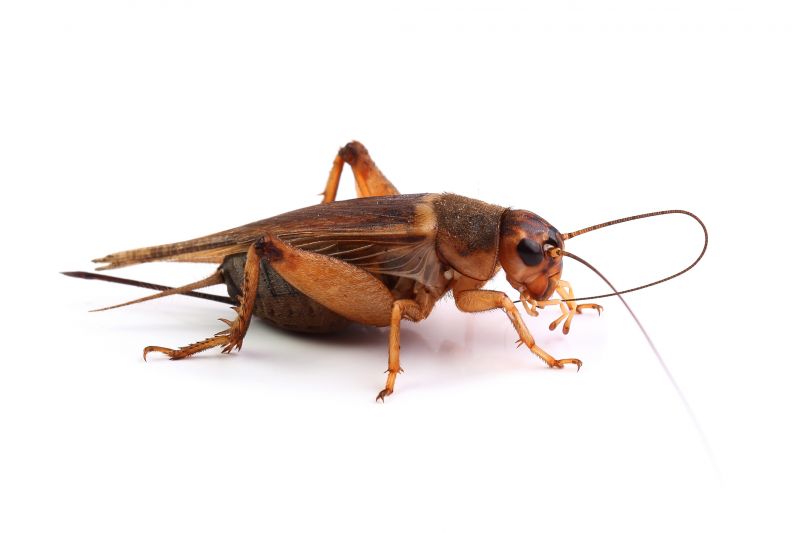
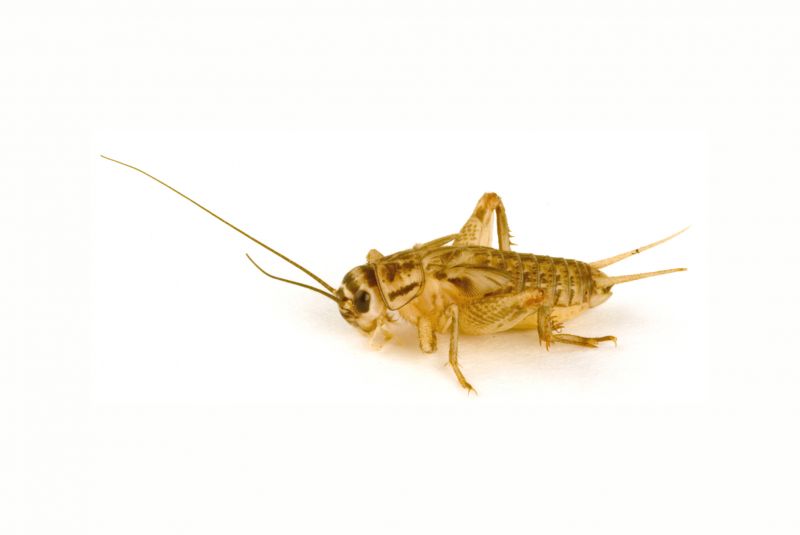
When people search for why crickets invade homes and how to stop them, they are typically looking for explanations about the reasons behind these unwanted visitors and practical solutions to eliminate or prevent infestations. Crickets often enter residential properties seeking shelter, warmth, or food, especially during certain seasons or in areas where their natural habitats are disturbed. Homeowners may notice chirping sounds, small holes in screens, or the presence of insects around entry points, prompting concerns about indoor or perimeter invasions. This topic relates to problems such as pest management, property maintenance, and protecting indoor comfort, making it relevant for those wanting to address cricket activity effectively.
The issues associated with cricket invasions often involve nuisance noise, potential damage to plants or fabrics, and the challenge of keeping these insects out of living spaces. Many plans for dealing with crickets focus on identifying and sealing entry points, reducing attractants around the property, and implementing ongoing control measures. Homeowners might also consider preventative steps like landscaping adjustments or exterior treatments to discourage crickets from approaching the home. These efforts are connected to broader property management projects aimed at maintaining a comfortable, cricket-free environment.
Properties most commonly affected by cricket invasions include single-family homes, especially those with yards or gardens that provide natural hiding spots or food sources. Homes with cracks in foundations, gaps around doors and windows, or poorly sealed vents are particularly vulnerable. Rural residences, cabins, or properties near grassy or wooded areas tend to experience more frequent cricket activity due to their proximity to natural cricket habitats. Understanding the type of property and its vulnerabilities helps homeowners recognize the importance of professional services that specialize in residential cricket control.
Local service providers who handle residential cricket control focus on assessing property-specific issues, implementing targeted exclusion techniques, and offering ongoing pest management strategies. These professionals can help identify entry points, recommend suitable sealing or barrier methods, and provide treatments to reduce cricket populations. Connecting with experienced contractors ensures that homeowners receive practical, effective solutions tailored to their property’s needs. Properly addressing why crickets invade homes and how to stop them involves a combination of property maintenance and expert assistance, making local pros a valuable resource in managing this common nuisance.
Home Inspection Projects - Professionals who perform detailed home inspections can identify entry points and structural vulnerabilities that attract crickets, helping homeowners understand why crickets invade homes and how to stop them.
Pest Prevention Consulting - Local contractors offering pest prevention advice can provide tailored strategies to address conditions that lead to cricket invasions and recommend effective exclusion methods.
Sealing and Weatherproofing Services - Experts in sealing gaps and weatherproofing can help close off common entry points for crickets, directly addressing why crickets invade homes and how to stop them.
Landscaping and Yard Maintenance - Landscaping professionals can modify outdoor environments to reduce cricket habitats near homes, minimizing the chances of invasions and helping to prevent future issues.
Structural Repair Projects - Contractors specializing in structural repairs can reinforce foundations and walls, reducing access points for crickets and addressing the root causes of why crickets invade homes.
Insect Barrier Installation - Service providers who install physical barriers or screens can prevent crickets from entering indoor spaces, offering practical solutions to stop invasions effectively.
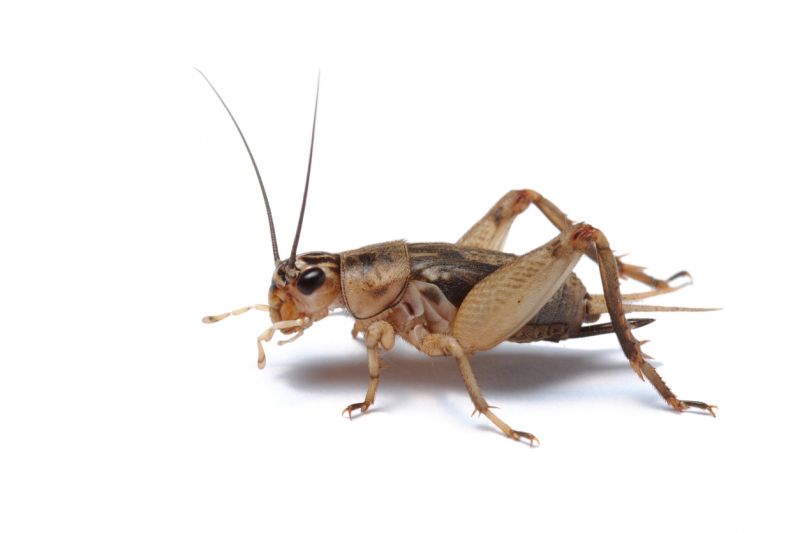
When evaluating residential cricket control services, it’s important to consider the experience of the local contractors with similar projects. Service providers who have handled situations involving why crickets invade homes and how to stop them often possess a deeper understanding of cricket behavior, entry points, and effective exclusion methods. An experienced professional can identify common problem areas and recommend tailored solutions that address the specific conditions of a home, helping to prevent future invasions. Asking about past projects related to cricket control can provide insight into a contractor’s familiarity with the challenges involved and their ability to deliver successful results.
Clear written expectations are essential when choosing a service provider for cricket control. A reputable contractor should be able to outline the scope of work, including inspection procedures, treatment methods, and follow-up measures, in a straightforward manner. This clarity helps ensure that homeowners understand what to expect and can assess whether the proposed approach aligns with their needs. Detailed communication about the process also minimizes misunderstandings and provides a basis for evaluating the professionalism of the service provider.
Reputable references and good communication are key factors to consider when comparing local contractors. References from previous clients who faced similar issues can offer valuable insights into a contractor’s reliability and effectiveness in managing cricket invasions. Additionally, a service provider who maintains open and responsive communication can better address questions or concerns throughout the project. This level of engagement helps build trust and confidence that the chosen professional will handle the job thoroughly and keep homeowners informed every step of the way.
Property owners often search for why crickets invade homes and how to stop them when they are planning practical projects around their homes and businesses. Local pros provide Residential Cricket Control services for everyday jobs and straightforward project options.
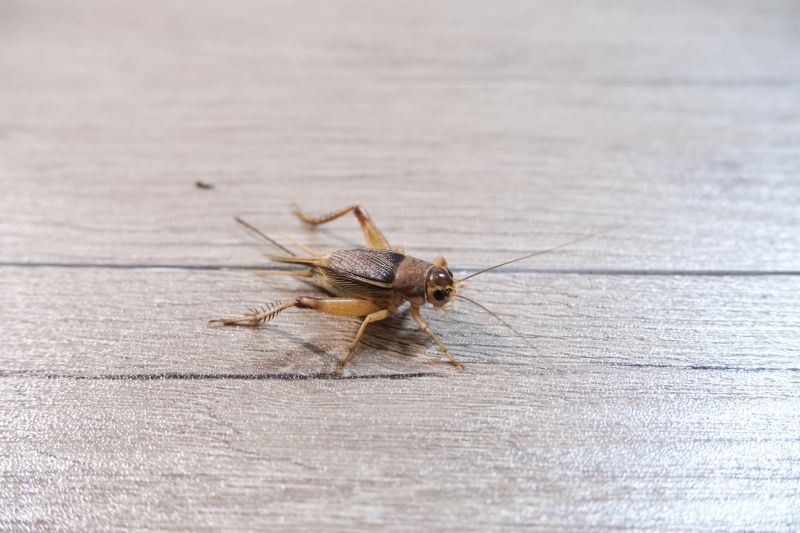
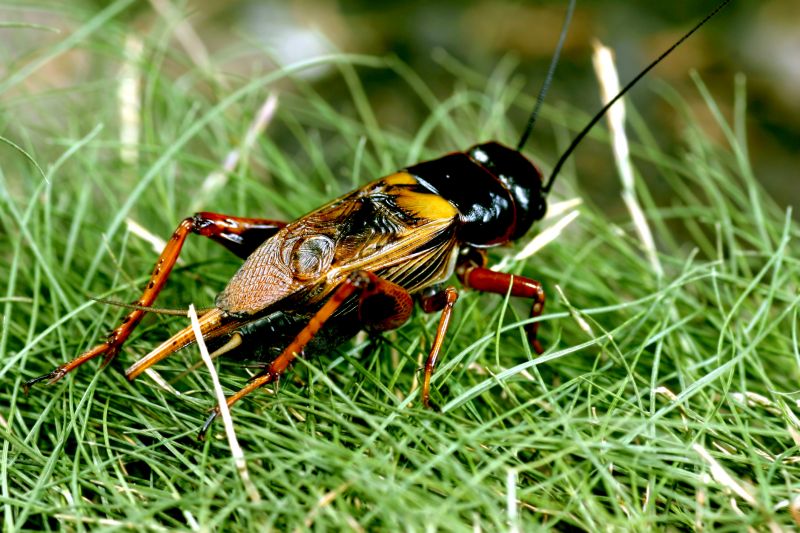
Crickets often invade homes during warmer months when they seek shelter and moisture inside. They are attracted to dark, undisturbed areas such as basements, crawl spaces, and around foundation cracks. Property owners noticing these insects might search for reasons why crickets invade homes and ways to stop them from becoming a recurring nuisance. Simple factors like gaps around windows and doors, cluttered storage spaces, or moisture buildup can make a residence more inviting to crickets. Local contractors specializing in residential cricket control can assess these entry points and recommend effective solutions to prevent future invasions.
When crickets find their way inside, property owners may consider professional cricket control services to eliminate the problem and prevent future occurrences. Local service providers can identify the specific causes of cricket infestations and implement targeted treatments to address entry points and hiding spots. Regular inspections and sealing of cracks or gaps can be part of a comprehensive approach to keep crickets out of the home. Connecting with experienced local contractors ensures that appropriate measures are taken to handle cricket issues efficiently and help maintain a cricket-free living environment.
Why do crickets often invade homes? Crickets typically invade homes seeking warmth, moisture, or shelter, especially during cooler months or when outdoor conditions are unfavorable. They are attracted to dark, quiet areas like basements, garages, and crawl spaces. Local contractors can identify entry points and provide effective exclusion methods to prevent invasions.
How can I stop crickets from getting inside my house? To stop crickets from entering, it is important to seal cracks, gaps, and openings around doors, windows, and foundations. Reducing outdoor lighting that attracts insects and removing debris or clutter near the home can also help. Professional pest control services can implement targeted exclusion and treatment strategies.
What are common signs of cricket infestation? Signs include hearing chirping sounds, seeing crickets in indoor areas, or noticing small holes and damage to fabrics or paper. If these signs are present, local service providers can assess the situation and recommend appropriate control measures.
Are there effective ways to prevent future cricket invasions? Yes, maintaining a tidy yard, sealing potential entry points, and reducing moisture around the home can help prevent future invasions. Many local contractors offer ongoing inspection and exclusion services to keep crickets out.
Can professional treatments eliminate cricket problems completely? Professional residential cricket control services can significantly reduce or eliminate cricket populations by applying targeted treatments and sealing entry points. Regular inspections by local experts help maintain a cricket-free home environment.
Identify entry points - property owners can work with local contractors to find and seal cracks and gaps that crickets use to enter the home.
Reduce attractants - removing debris, tall grass, and moisture around the foundation can make the area less inviting for crickets, with help from local pros.
Implement barriers - installing screens or mesh over vents and crawl spaces can prevent crickets from gaining access, supported by local service providers.
Schedule regular inspections - routine evaluations by local contractors can identify emerging issues and ensure effective control measures are maintained.
If you are thinking about why crickets invade homes and how to stop them for a property, this guide is meant to help you understand this topic, the typical project types, and how different options might fit your plans.
When you are ready, you can use the quote form on this page to share a few details about your project. From there, local pros can review the basics and follow up with options that match what you have in mind.