Why Commercial Insect Control Is Different From Residential Pest Control
Commercial insect control aims to manage pests in business settings, and local service providers can tailor solutions to meet the unique needs of commercial properties.
Understanding why commercial insect control is different from residential pest control can help property owners make informed decisions about protecting their spaces. Businesses and commercial properties often face unique challenges, such as larger areas, higher foot traffic, and stricter regulations, which require specialized approaches. For those managing retail stores, offices, or industrial facilities, exploring these differences is essential to finding effective solutions. Local contractors who focus on commercial insect control are equipped to handle these distinct needs, ensuring that pest management strategies align with the scale and demands of commercial environments.
Property owners in the area might consider this topic to better understand how pest control needs vary based on property type. Commercial insect control typically involves tailored treatments, ongoing monitoring, and integrated approaches that differ from residential methods. This knowledge can help decision-makers choose the right service providers to address their specific concerns. As they explore options, they’ll find that local service providers specializing in commercial insect control are prepared to deliver solutions that fit the unique characteristics of their property, helping maintain a pest-free environment suitable for business operations.
- Commercial insect control services are needed when businesses face pest issues that require tailored strategies to meet industry standards, with local contractors implementing integrated approaches for effective results. Food processing facilities often require specialized insect control to adhere to strict hygiene regulations, with service providers using targeted treatments suited for high-sensitivity environments. Industrial warehouses may need ongoing pest management to prevent infestations that could disrupt operations, with local pros designing customized plans for large-scale spaces. Hospitality venues seek insect control solutions that align with health codes and guest safety, with service providers focusing on discreet, comprehensive treatments. Large commercial properties benefit from pest control services that address unique structural challenges, with local contractors applying strategic treatments to protect property integrity.
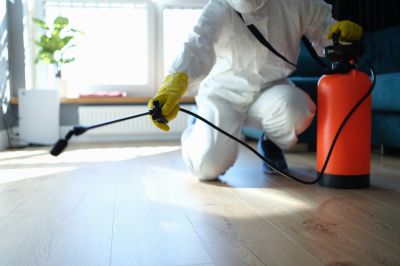
When people search for why commercial insect control is different from residential pest control, they are often trying to understand the distinct challenges and approaches involved in managing pests in business environments compared to homes. This inquiry typically stems from concerns about protecting commercial assets, maintaining a pest-free environment for customers or employees, and complying with industry regulations. The problems that lead to these questions can include recurring infestations, the presence of specific pests like stored product insects or flying insects that disrupt operations, or the need for ongoing prevention plans tailored to commercial settings. Understanding these differences helps property owners and managers recognize the importance of specialized treatment strategies and why they should work with service providers experienced in commercial insect control.
The plans involved in commercial insect control tend to be more comprehensive and ongoing than those used in residential settings. While residential pest control often focuses on targeted treatments for visible pests, commercial insect control frequently requires integrated approaches that combine sanitation, structural modifications, and regular inspections. These plans are designed to prevent infestations before they start and to address issues quickly if pests are detected. They also often involve customized service schedules based on the type of business, the nature of the products stored or handled, and the level of risk associated with pests. Local service providers who specialize in commercial insect control understand these nuances and can develop tailored strategies that fit the specific needs of each property.
The types of properties that typically come up in discussions about why commercial insect control is different from residential pest control include retail stores, restaurants, warehouses, food processing facilities, office buildings, and healthcare facilities. These properties often have higher standards for pest management due to health codes, safety regulations, or customer expectations. For example, food-related businesses require strict control measures for insects that could contaminate products, while warehouses may need ongoing protection against stored product pests. These environments present unique challenges that require a different set of tools and techniques compared to residential properties, making it essential to work with experienced service providers who understand the specific requirements of commercial pest management.
Overall, recognizing the differences between commercial and residential insect control helps property owners and managers appreciate why specialized expertise matters. Local contractors who focus on commercial pest management are equipped to handle the unique problems associated with different types of properties, whether it’s preventing costly infestations, ensuring compliance with industry standards, or protecting the integrity of their operations. By working with these service providers, businesses can implement effective pest control plans that are designed to meet their specific needs and reduce the risk of pest-related disruptions. This understanding underscores the importance of choosing experienced professionals for commercial insect control, ensuring that the property remains pest-free and compliant with relevant regulations.
Food processing plant pest management - local contractors specializing in insect control for food facilities share similar planning and treatment strategies tailored to high standards and strict regulations.
Warehouse pest prevention projects - these projects require extensive inspection and targeted treatments, paralleling commercial insect control for large storage spaces.
Hospital and healthcare facility pest services - professionals in this area focus on sanitation and containment, aligning with the detailed planning needed for commercial insect control in sensitive environments.
Restaurant pest control programs - local service providers develop customized solutions that address the unique challenges of commercial food service areas, similar to commercial insect control methods.
Manufacturing plant pest management - projects in industrial settings involve complex logistics and specialized treatments, comparable to the planning involved in commercial insect control.
School and daycare pest prevention - these projects emphasize safety and compliance, requiring similar attention to detail as commercial insect control services for public spaces.
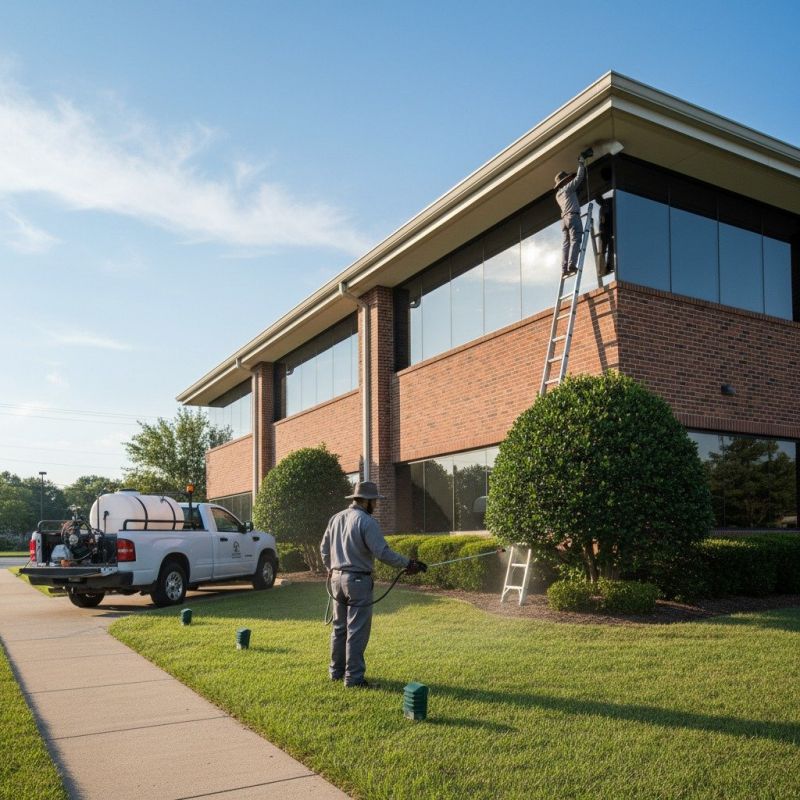
When evaluating service providers for commercial insect control, experience with similar projects is a critical factor. Commercial settings often involve larger areas, different types of infestations, and distinct regulatory considerations compared to residential properties. Homeowners should seek out local contractors who have a proven track record handling commercial insect control jobs comparable in scope and complexity. This experience can indicate a deeper understanding of the unique challenges that commercial environments present, such as managing pest activity in food service facilities, warehouses, or office buildings, which may require specialized approaches.
Clear written expectations are essential when choosing a commercial insect control provider. Because commercial pest issues can impact business operations and compliance requirements, it’s important that service providers communicate their treatment plans, procedures, and follow-up steps in a transparent manner. Homeowners should look for local contractors who can articulate what services will be performed, how the problem will be addressed, and what results can be expected. Having these details documented helps ensure everyone is aligned and reduces the risk of misunderstandings or unmet expectations.
Reputable references and effective communication are also key considerations. Service providers with positive references from other commercial clients demonstrate a history of reliable, professional work. Homeowners should inquire about previous projects similar to their needs and seek feedback on the contractor’s responsiveness and clarity throughout the process. Good communication from the start-such as prompt responses to questions and ongoing updates-can make the experience smoother and more predictable. Choosing local contractors who prioritize clear, open dialogue and have a solid reputation can help ensure that the specialized requirements of commercial insect control are met effectively.
Property owners often search for why commercial insect control is different from residential pest control when they are planning practical projects around their homes and businesses. Local pros provide Commercial Insect Control services for everyday jobs and straightforward project options.
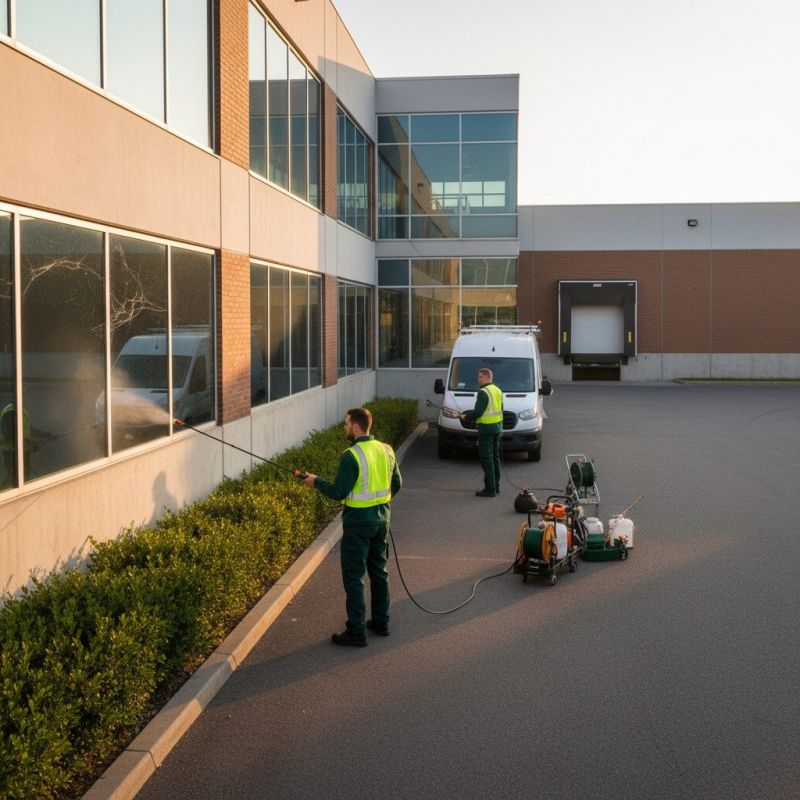

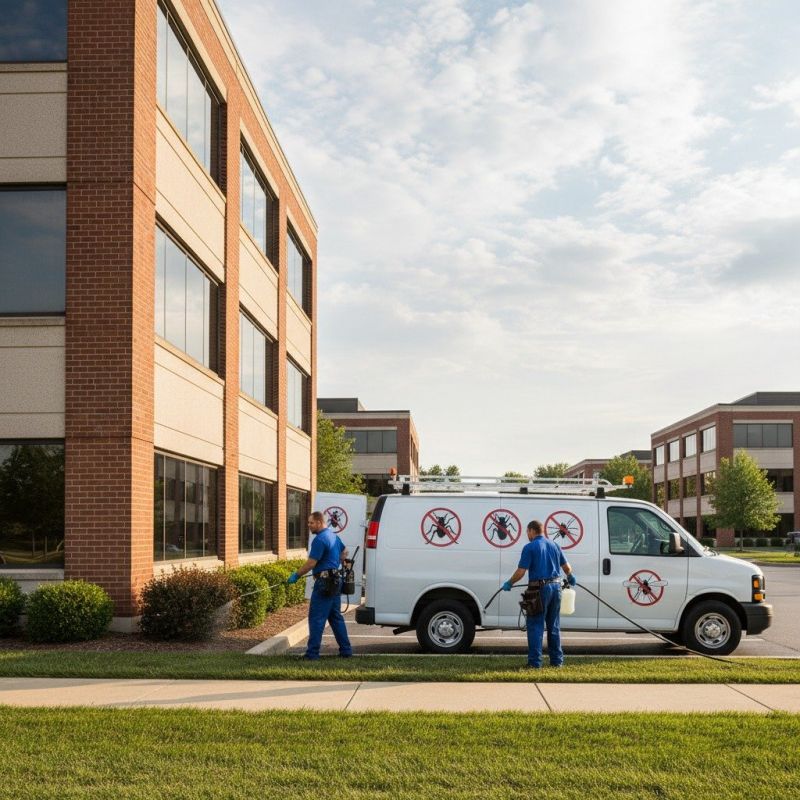
In many everyday project situations, property owners might notice pest issues that require a different approach than typical residential treatments. Commercial insect control involves addressing larger-scale infestations in spaces like warehouses, restaurants, or retail stores, where the presence of pests can impact business operations or customer safety. Unlike residential pest control, which often focuses on smaller areas and general pest prevention, commercial services are tailored to meet the specific needs of business environments, often requiring more extensive planning and specialized techniques. Local contractors who specialize in commercial insect control understand these unique demands and can provide solutions that minimize disruption while effectively managing pest problems.
Property owners in the area may seek commercial insect control services because of the complexity and scale of infestations they face in business settings. These situations often involve higher standards for sanitation and safety, as well as the need for treatments that are compliant with industry regulations. Local service providers experienced in commercial insect control can offer strategies suited for larger facilities, including targeted treatments that address specific pests common to commercial spaces. This expertise ensures that pest management efforts are thorough, efficient, and aligned with the operational requirements of local businesses.
How is commercial insect control different from residential pest control? Commercial insect control services are tailored to address the unique needs of business environments, including larger areas and specific pest risks, which differ from residential settings handled by local contractors.
Why do commercial insect control methods require different strategies? Commercial settings often have different sanitation standards, building structures, and pest activity levels, requiring specialized approaches that local service providers can customize for effective results.
What types of pests are typically targeted in commercial insect control? Commercial insect control often focuses on pests that can impact business operations or reputation, such as stored product pests, flies, or cockroaches, which may not be as common in residential pest control.
How do local contractors ensure compliance in commercial insect control? Local service providers follow industry-specific protocols and regulations to ensure pest management efforts meet the standards required for commercial properties.
What makes commercial insect control more complex than residential pest control? The complexity arises from larger areas, higher sanitation requirements, and the need for ongoing monitoring, which local pros are equipped to handle with specialized techniques and equipment.
Understanding pest types - Commercial insect control services are tailored to address pests common in business settings, which may differ from residential pests, helping property owners develop effective management strategies.
Facility-specific treatments - Local contractors can design insect control plans that consider the unique layout and usage of commercial spaces, ensuring targeted and efficient pest management.
Regulatory compliance - Commercial insect control often involves adhering to industry regulations, and local pros can help property owners meet these requirements through specialized procedures.
Prevention strategies - Commercial pest control emphasizes ongoing prevention measures suited for high-traffic or storage areas, aiding property owners in maintaining pest-free environments over time.
If you are thinking about why commercial insect control is different from residential pest control for a property, this guide is meant to help you understand this topic, the typical project types, and how different options might fit your plans.
When you are ready, you can use the quote form on this page to share a few details about your project. From there, local pros can review the basics and follow up with options that match what you have in mind.